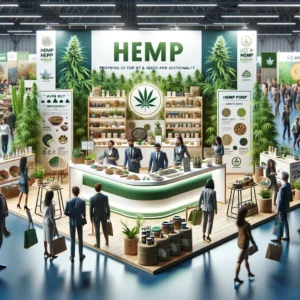
Hemp is an extremely useful plant with multiple uses. It provides essential amino acids and essential fatty acids as well as valuable vitamins and minerals. Plus, hemp is a renewable resource grown without chemicals or pesticides – perfect for clothing production, food manufacturing and biofuel. In fact, some companies are even researching using hemp instead of paper or timber in buildings! It grows well across climate zones requiring little fertilizer while simultaneously helping reduce greenhouse gas emissions.
The hemp plant (Cannabis sativa) is an annual species that quickly and prolifically blooms. Cultivated across various climates, its seeds or fibers are harvested for use in food products like breads, salad dressings and nutritional supplements while its fibers may be utilized for clothing, rope and other uses.
American hemp cultivation flourished until 1937, when the Marihuana Tax Act outlawed growing hemp. However, production quickly rebounded during World War II for uniform and canvas manufacturing as well as production for propaganda films like Hemp for Victory that promoted hemp as necessary to victory.
Hemp seeds contain an impressive array of dietary fiber, especially soluble and insoluble cellulose fiber. Furthermore, hemp seeds provide Omega-3 and Omega-6 fatty acids which have been proven to promote heart health by lowering cholesterol, blood pressure and triglycerides levels; in addition, regular consumption increases nitric oxide production which promotes even further heart wellbeing.
Hemp seeds contain up to 35% protein content. This dense protein boasts high oil-binding capacity and solubility, with an amino acid composition similar to human milk protein and high biological value. Furthermore, hemp protein also displays foaming, emulsifying, and gelation properties suited for food grade production.
Hemp is a dioecious species whose seed germination relies on sufficient soil moisture. With a long tap root system to minimize drought effects and frost resistance that allows brief periods of freezing temperatures without adverse affects, hemp makes for an excellent plant option.
Hemp is an important crop for the environment as it produces far fewer herbicides and fungicides than other crops, acts as an effective weed control agent, requires no heavy machinery for cultivation, removes heavy metals from the ground, improves soil quality, is an ecological reconstruction and land reclamation option, as well as offering energy through biofuel production or electricity production.